
Array ( [pb] => Array ( [0] => Array ( [acf_fc_layout] => pb_page_content [sidebar] => hide [sidebar_cta] =>

Want to get in touch?

Contact our experts and see how we can help you.

Contact Us

[content] =>

Retail and logistics are changing quickly – rising energy costs, tighter sustainability targets, and increasing pressure to reduce waste require procurement teams to rethink even the smallest components of their supply chain.

One of those components is webbing.

Sometimes overlooked, woven webbing is playing an increasingly important role in helping retailers and warehouse operators move away from disposable materials and toward durable, reusable systems that make both environmental and commercial sense.
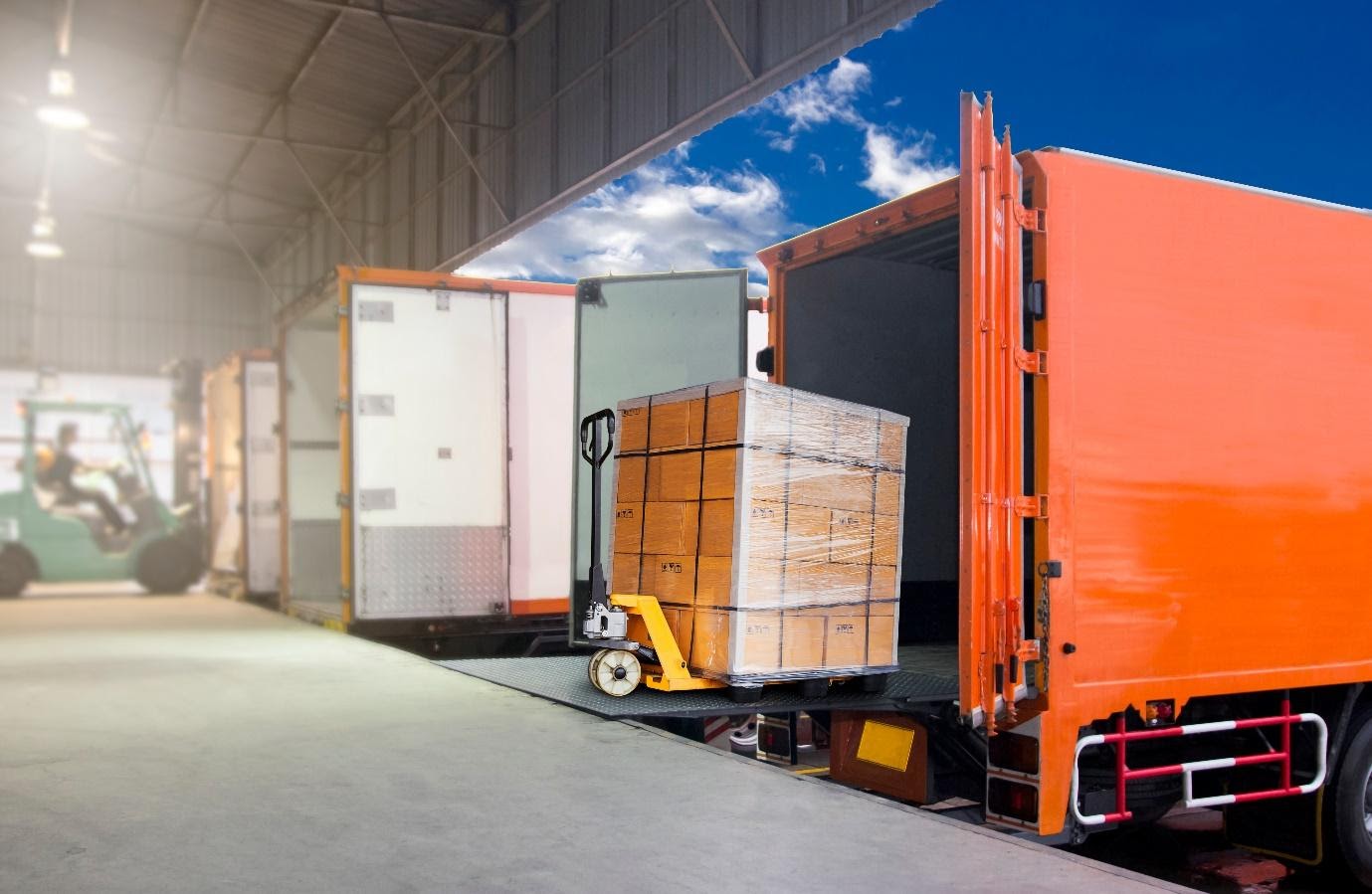
Logistics and Distribution

Why Reusable Systems Are Replacing Single-Use Plastic

For many years, stretch-wrap film and disposable straps have been the default methods for securing pallets and waste cages. They’re quick and familiar — but they generate significant plastic waste and ongoing replenishment costs.

Retailers are now shifting toward reusable covers and restraint systems that can last for several years. Strong woven webbing is what holds these systems together.

The benefits are straightforward:

  • Less single-use plastic
  • Fewer repeat purchases of consumables
  • Safer, tidier warehouse and shop-floor environments
  • Clear support for sustainability commitments

For example, reusable covers for packaging waste roll cages can remain in service for up to five years. Across hundreds of stores or distribution centres, this represents a meaningful reduction in waste and cost.

Reducing Food Waste Through Better Handling

Food waste is expensive. Fresh produce has a short shelf life, and even minor damage or temperature fluctuations can result in product loss.

Retailers are increasingly required to measure and report waste figures as part of wider sustainability reporting. That makes waste reduction not just an operational concern, but also a reputational and financial one.

Durable containment and securing systems can help by:

  • Keeping loads stable during transport
  • Reducing product damage in warehouses
  • Supporting more controlled restocking
  • Protecting goods during short transfer periods

Webbing can be a small part of that system; however, it is the part that provides strength, tension and reliability over repeated use.
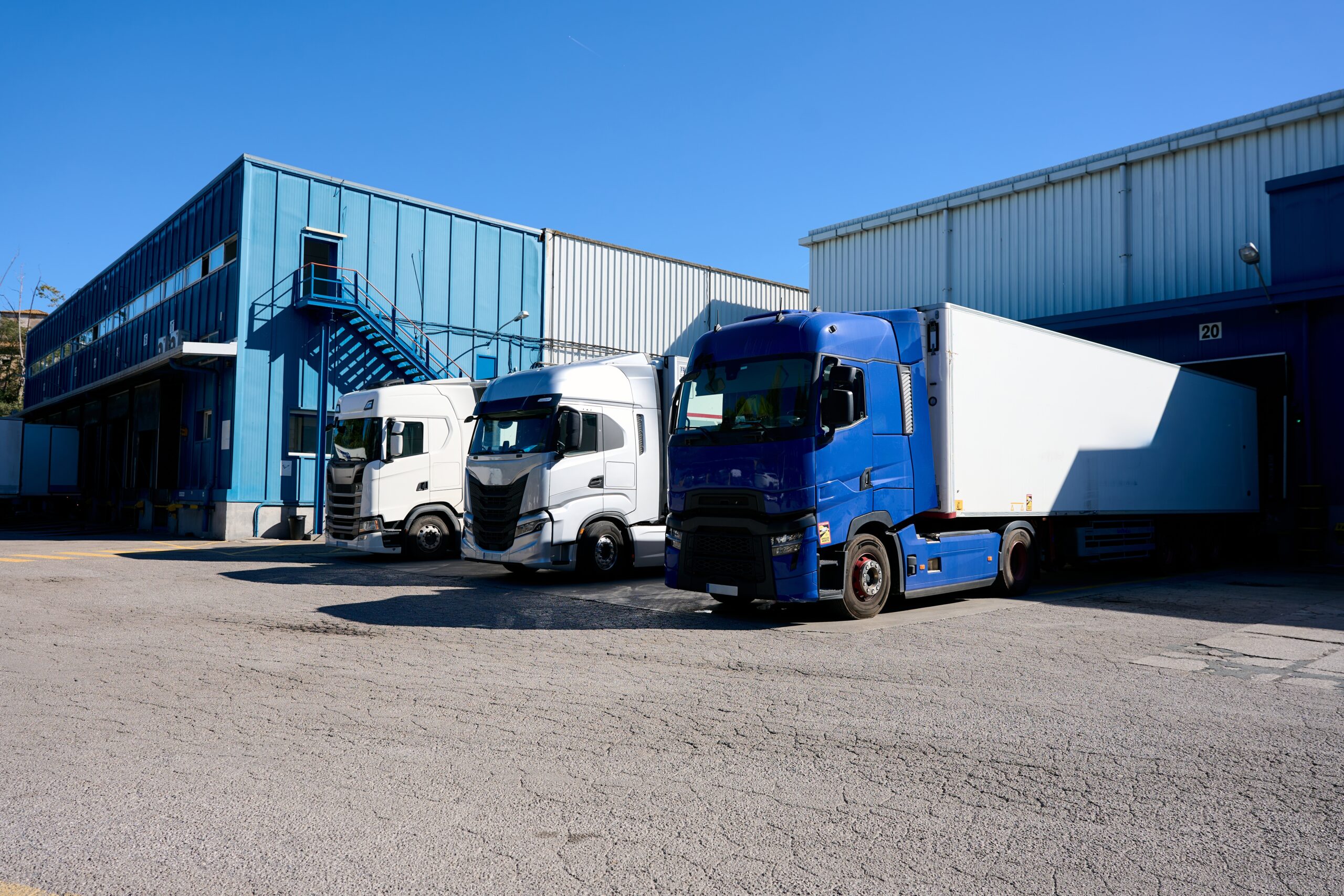
Cold Chain Stability & Phase Change Technology

Temperature control is critical throughout the supply chain — from refrigerated aircraft or lorries, to warehouses, and finally into supermarkets and retail outlets.

Phase change materials (often referred to as PCM) are widely used in the transport of food and pharmaceuticals, where temperature control is a key factor. These materials absorb and release heat at specific temperatures, helping keep goods within safe ranges during transfers.

When PCM is built into reusable insulated textile covers, it helps:

  • Maintain temperature during loading and unloading
  • Protect goods during short-term transfers
  • Support more stable cold chain handling

Within these systems, webbing provides the structural integrity to hold insulation covers securely in place and to ensure the assembly remains effective after repeated use.

Practical Benefits in Warehousing

In busy distribution centres, equipment must withstand constant handling. High-quality polyester webbing offers:

  • Strong load-bearing capacity
  • Resistance to wear and abrasion
  • Stability under tension
  • Compatibility with sewn textile products

Common applications include:

  • Reusable pallet restraint systems
  • Adjustable fastening straps
  • Reinforced components and binding within textile covers

Because these systems are designed for repeated use, durability is critical.

Looking Ahead

With EuroShop 2026 in Düsseldorf taking place this week, 22nd to 26th February 2026, sustainability, efficiency and smarter materials are central topics across the retail industry.

The future of webbing in retail and logistics is not about straps alone. It is about enabling reusable systems that reduce waste, improve handling and support long-term sustainability goals.

For procurement teams, the opportunity is clear:

Small material choices can have a significant impact when applied at scale.

Webbing may be a modest component — but in modern reusable systems, it plays a key role in delivering durability, reliability and measurable lifecycle value.

Ready to Rethink Your Containment & Securing Systems?

If you are reviewing pallet restraint, reusable covers, cold chain handling or warehouse containment systems, now is the time to examine the materials at the core of those solutions.

  • Are they designed for multi-year use?

  • Do they genuinely reduce plastic consumption?

  • Are they robust enough for repeated operational handling?

  • Do they support your wider sustainability reporting objectives?

The right webbing specification can strengthen performance across your supply chain — while supporting cost control and ESG targets.

If you would like to explore how engineered webbing can support your retail or logistics operations, we welcome the opportunity to start that conversation. Contact us at your convenience to begin the conversation.

[background_colour] => white [id] => ) ) )

Retail and logistics are changing quickly – rising energy costs, tighter sustainability targets, and increasing pressure to reduce waste require procurement teams to rethink even the smallest components of their supply chain.

One of those components is webbing.

Sometimes overlooked, woven webbing is playing an increasingly important role in helping retailers and warehouse operators move away from disposable materials and toward durable, reusable systems that make both environmental and commercial sense.

Logistics and Distribution

Why Reusable Systems Are Replacing Single-Use Plastic

For many years, stretch-wrap film and disposable straps have been the default methods for securing pallets and waste cages. They’re quick and familiar — but they generate significant plastic waste and ongoing replenishment costs.

Retailers are now shifting toward reusable covers and restraint systems that can last for several years. Strong woven webbing is what holds these systems together.

The benefits are straightforward:

  • Less single-use plastic
  • Fewer repeat purchases of consumables
  • Safer, tidier warehouse and shop-floor environments
  • Clear support for sustainability commitments

For example, reusable covers for packaging waste roll cages can remain in service for up to five years. Across hundreds of stores or distribution centres, this represents a meaningful reduction in waste and cost.

Reducing Food Waste Through Better Handling

Food waste is expensive. Fresh produce has a short shelf life, and even minor damage or temperature fluctuations can result in product loss.

Retailers are increasingly required to measure and report waste figures as part of wider sustainability reporting. That makes waste reduction not just an operational concern, but also a reputational and financial one.

Durable containment and securing systems can help by:

  • Keeping loads stable during transport
  • Reducing product damage in warehouses
  • Supporting more controlled restocking
  • Protecting goods during short transfer periods

Webbing can be a small part of that system; however, it is the part that provides strength, tension and reliability over repeated use.

Cold Chain Stability & Phase Change Technology

Temperature control is critical throughout the supply chain — from refrigerated aircraft or lorries, to warehouses, and finally into supermarkets and retail outlets.

Phase change materials (often referred to as PCM) are widely used in the transport of food and pharmaceuticals, where temperature control is a key factor. These materials absorb and release heat at specific temperatures, helping keep goods within safe ranges during transfers.

When PCM is built into reusable insulated textile covers, it helps:

  • Maintain temperature during loading and unloading
  • Protect goods during short-term transfers
  • Support more stable cold chain handling

Within these systems, webbing provides the structural integrity to hold insulation covers securely in place and to ensure the assembly remains effective after repeated use.

Practical Benefits in Warehousing

In busy distribution centres, equipment must withstand constant handling. High-quality polyester webbing offers:

  • Strong load-bearing capacity
  • Resistance to wear and abrasion
  • Stability under tension
  • Compatibility with sewn textile products

Common applications include:

  • Reusable pallet restraint systems
  • Adjustable fastening straps
  • Reinforced components and binding within textile covers

Because these systems are designed for repeated use, durability is critical.

Looking Ahead

With EuroShop 2026 in Düsseldorf taking place this week, 22nd to 26th February 2026, sustainability, efficiency and smarter materials are central topics across the retail industry.

The future of webbing in retail and logistics is not about straps alone. It is about enabling reusable systems that reduce waste, improve handling and support long-term sustainability goals.

For procurement teams, the opportunity is clear:

Small material choices can have a significant impact when applied at scale.

Webbing may be a modest component — but in modern reusable systems, it plays a key role in delivering durability, reliability and measurable lifecycle value.

Ready to Rethink Your Containment & Securing Systems?

If you are reviewing pallet restraint, reusable covers, cold chain handling or warehouse containment systems, now is the time to examine the materials at the core of those solutions.

  • Are they designed for multi-year use?

  • Do they genuinely reduce plastic consumption?

  • Are they robust enough for repeated operational handling?

  • Do they support your wider sustainability reporting objectives?

The right webbing specification can strengthen performance across your supply chain — while supporting cost control and ESG targets.

If you would like to explore how engineered webbing can support your retail or logistics operations, we welcome the opportunity to start that conversation. Contact us at your convenience to begin the conversation.

Posted 24th February 2026 by Bowmer Bond

See more posts from Bowmer Bond

Related Articles

The Future of Webbing in Retail & Logistics

...

Tensile Strength vs Elongation in Narrow Fabrics

...

Merry Christmas from all at Bowmer Bond

...

Supporting Innovation in Mobility, Rehabilitation and Assisted Living

...

Want To Get In Touch?

Whatever your Narrow Fabric requirements, we are sure we can help.

Please complete our   Contact form

A member of the Sales team will contact you.

Privacy Overview

This website uses cookies so that we can provide you with the best user experience possible. Cookie information is stored in your browser and performs functions such as recognising you when you return to our website and helping our team to understand which sections of the website you find most interesting and useful.